- Home
- Knee Surgery
- ACL Surgery
Arthroscopic ACL Surgery
Written By: Chloe Wilson, BSc(Hons) Physiotherapy
Reviewed by: KPE Medical Review Board
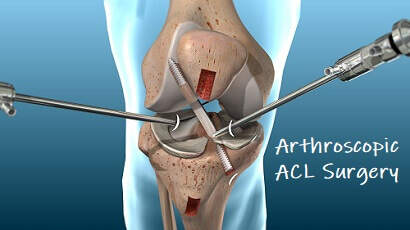
Arthroscopic ACL surgery is done to repair a partially or completely torn ACL (anterior cruciate ligament).
ACL injuries account for around 40% of all sporting injuries and can lead to long term pain and instability.
There are two types of ACL knee surgery commonly carried out depending on the severity of the injury, an ACL repair or an ACL reconstruction.
Most cases of ACL knee surgery are carried out arthroscopically these days. An arthroscopy is a minimal invasive surgical procedure where a special camera and surgical tools are inserted into the knee through small holes.
Arthroscopic ACL surgery is commonly referred to as “keyhole surgery”. The big advantage is that the surgeon can assess the joint and repair any injuries without needing to fully open the joint. This speeds up recovery due to less trauma to the knee.
Here we will look at how the ligament gets damaged, the types of ACL surgery that are done, how to decide whether you need surgery and what the alternatives are to surgery. To find out more about how the ACL gets damaged, visit the ACL injuries section.
What Is An ACL Injury?
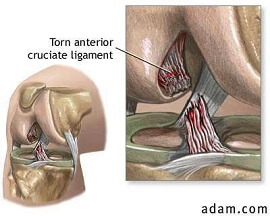
Arthroscopic ACL surgery is indicated when there is significant damage to the ACL. The ACL (anterior cruciate ligament) is one of a pair of ligaments in the middle of the knee joint, responsible for providing stability.
It is a very strong ligament but if it gets overstretched,
the fibres start to tear. With enough force, it can rupture
completely. ACL injuries are usually caused by:
- Sudden, awkward movements: of the knee e.g. twisting the knee or over extending it
- Direct blow: to the outside of the knee when the foot is fixed to the ground e.g. in sportsmen wearing studs
There are three grades of ACL injury:
- Grade 1: The ligament is overstretched and less than 10% of the fibres are torn. Should heal naturally in a few weeks
- Grade 2: More of the fibres are torn but the ligament is still intact. May heal with a rehab programme or may require arthroscopic ACL surgery
- Grade 3: The ligament is completely ruptured i.e. torn in two. Usually requires arthroscopic knee surgery
Types of Arthroscopic ACL Surgery
Arthroscopic ACL surgery aims to restore the functional stability of the knee while retaining full range of movement.
There are two types of arthroscopic ACL surgery depending on the extent of damage to the anterior cruciate ligament:
1. ACL Repair Surgery
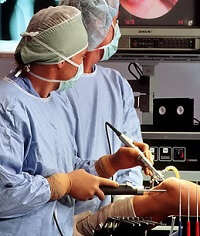
Arthroscopic ACL repair surgery is usually done when the ligament has broken off from the bone (known as an avulsion) but is still intact. The ligament is reattached to the bone and held in place.
Repair is sometimes carried out if the ligament has partially torn. The surgeon sews the ligament back together so it can heal. However, there is a high failure rate so in most cases, it is better to go for a reconstruction rather than repair.
2. ACL Reconstruction
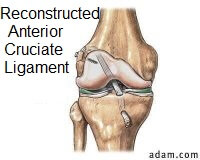
If there is more significant damage, or there are ongoing problems with pain and instability, the torn ligament is removed and replaced with a graft, usually taken from your hamstring or patellar tendon. This is known as arthroscopic ACL reconstruction surgery.
An ACL reconstruction is much more common than an ACL repair.
You can find out more about what the surgery involves, the recovery process and common problems associated with surgery in the ACL reconstruction section.
Preparing for Surgery
Performing surgery too quickly has been linked with an increased failure rate due to re-rupture of the new graft. Your surgeon will probably want to wait until:
- The swelling has reduced
- You have regained full range of movement at the knee
- You have built up the strength of the quadriceps and hamstring muscles
They may refer you for physio prior to your operation to get you started on a rehab programme. This will also have a positive impact on the recovery process.
What Happens During ACL Surgery?
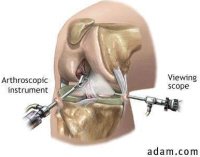
With both types of arthroscopic ACL surgery, two or three small incisions are made at the side of the knee. A special camera (known as an arthroscope) is inserted through one hole so that the surgeon can see the extent of the damage.
Special tools (such as scissors or lasers) are then inserted through the other hole and used to repair or removed and replace any damaged tissue. The joint is then washed out with sterile fluid and closed.
What Happens After ACL Surgery?
Arthroscopic ACL surgery is not a quick fix. Both procedures will be followed by months of rehab to build up the strength and stability of the knee and retrain proprioceptive function.
You can find out more about arthroscopic ACL surgery in the ACL reconstruction section which looks in depth at what the surgery involves and the recovery and rehab process as well as common problems associated with the surgery.
Do I Need Surgery?
Many people recover from ACL injuries without the need for arthroscopic ACL surgery, even some people who have completely ruptured their ligament. It essentially comes down to two things, how severely the stability of the knee has been affected and what activities the affected individual is wanting to return to.
- Instability: Arthroscopic ACL surgery is
recommended if the knee keeps giving way/buckling due to chronic
instability. Any time this happens, there is a risk of damage to the
other structures in the knee, particularly the cartilage and meniscus.
It is important to avoid repeated giving way of the knee as if the
meniscus tears, there is less protection for the knee bones and
increased risk of developing arthritis.
- The Individual: The need for torn ACL surgery will also depend on the activity levels of the affected individual. Someone who is wanting return to sporting activities is more likely to need surgery than someone with a fairly sedentary lifestyle.
Arthroscopic ACL surgery is therefore indicated in individuals who:
- Want to return to pivoting type sports e.g. football, skiing, tennis, rugby, boxing or hockey
- Have problems with instability with their knee giving way during their everyday activities
Alternatives to ACL Surgery
Not everyone who ruptures their ligament needs arthroscopic ACL surgery. Exercise rehabilitation for a partially or completely torn ACL looks to build up the strength of the knee muscles so that they provide enough support and stability for the knee to compensate for the torn ACL.
It also helps train the muscles and other ligaments to provide proprioceptive feedback to gain more stability. It usually takes a few months of rehab to fully recover from a torn ACL.
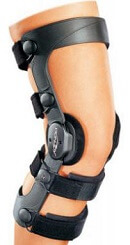
Wearing a knee brace can help to provide support and protection to stop the knee from giving way. There are a whole range of braces out there that can help depending on the level of instability - visit the ACL knee brace section to find out more
What Next?
- ACL Injury Overview: Causes, symptoms and diagnosis
- ACL Surgery: Do you need surgery and what does it involve
- ACL Reconstruction: What happens before, during and after surgery
- ACL Surgery Problems: Potential problems encountered after surgery
- Recovering From Surgery: Recovery time guide following surgery
- ACL Rehab Protocol: Rehab exercises & activities after surgery
- Injury Prevention: How to avoid an ACL knee injury
Page Last Updated: 11/01/23
Next Review Due: 11/01/25
Related Articles



Check Out Our Book!


|
|
This site complies with the HONcode Standard |

Visitor Comments
“This is one of the best self-help & info sites of any medical condition I've ever seen. Excellent work.” Amy, UK
"Your site and exercises have been a lifesaver! The explanations are so clear. Thanks for your help and excellent work." Claire, US
"Your website is a gold mine, thank you very much."
Gavril, Denmark
"I LOVE your website. Out of all the others, yours is so informational and easy to read." Michelle, US
"This is the best site dealing with knee problems that I have come
across. I will be putting the stretches and exercises into practise. Thank you!"
Margaret, S. Africa
"Brilliant website - highly recommended! And as nurse (25yrs exp) its written expertly and is very explanatory and easy to understand. Thank you!" Jo, UK


The material on this website is intended for educational information purposes only. It should not substitute or delay medical advice, diagnosis or treatment.
Knee-Pain-Explained.com is a trading name of Wilson Health Ltd. All rights reserved. Terms & Conditions apply
© knee-pain-explained.com 2010-2024. Last updated 27th February 2024
Contact Us About Us Blog Privacy Policy Advertising Policy Sitemap
